Canada Immigration Pathways: Q2 Program Updates Explained
Explore the significant Q2 updates to Canada immigration pathways. This review details new program requirements, offering crucial insights for prospective immigrants navigating Canada's evolving immigration landscape.
By: pedropadm2025@gmail.com on August 22, 2026
Última atualização em: agosto 24, 2026
Canada remains a top destination for individuals seeking new opportunities, and understanding the latest changes to Canada immigration pathways is crucial for anyone planning to move here. The second quarter of the year brought several important updates and new program requirements that could significantly impact prospective immigrants. Staying informed about these shifts can help you better prepare your application and increase your chances of success.
The Canadian government consistently reviews and adjusts its immigration policies to meet the country’s economic and social needs. These adjustments often aim to attract skilled workers, address labour shortages, and reunite families. For those navigating the complex world of immigration, keeping up-to-date with these changes is not just helpful, it’s essential. This article will break down the key developments from Q2, providing clarity on what these updates mean for various immigration streams and how you can best adapt your strategy.
Express Entry System Adjustments and Category-Based Draws
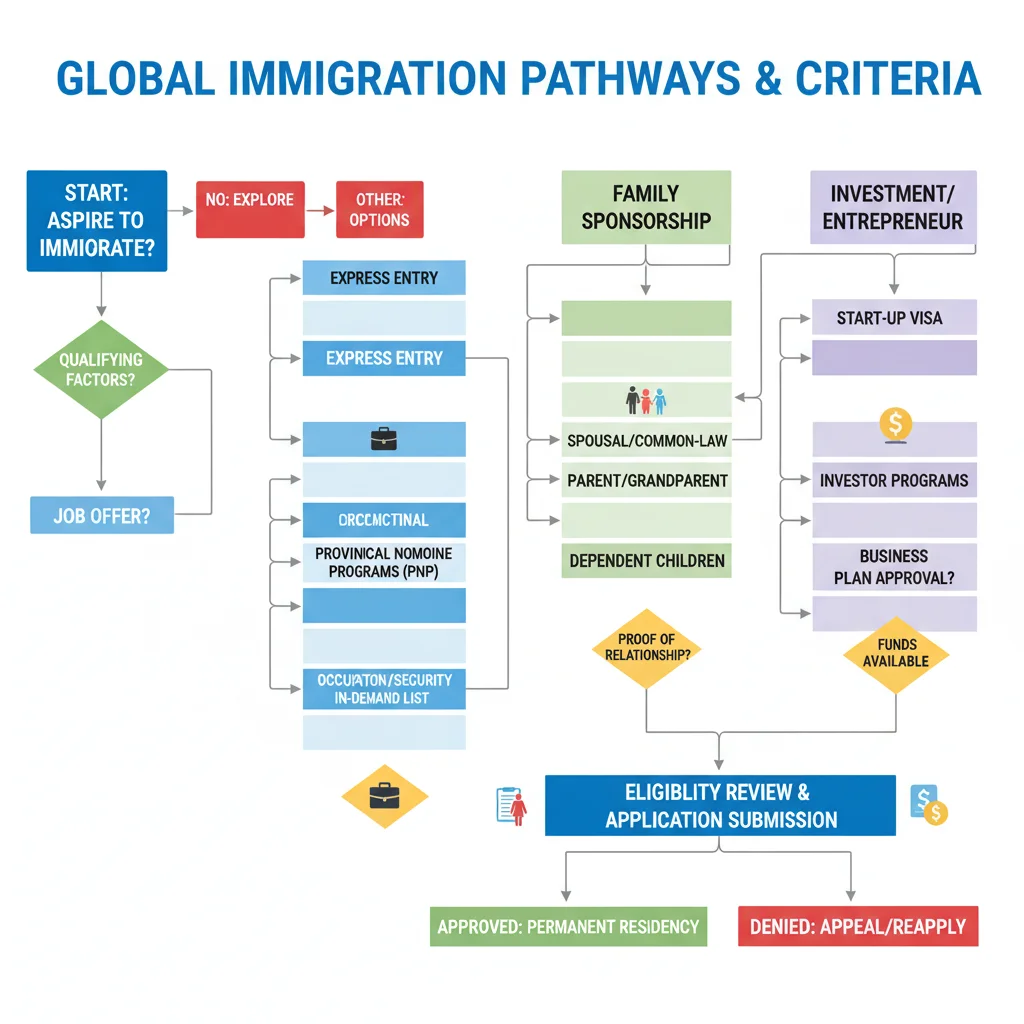
The Express Entry system is Canada’s flagship program for skilled workers, and it saw notable adjustments during the second quarter. These changes primarily focused on the introduction and refinement of category-based selection draws, a move designed to target specific skills and professions that are in high demand across Canada. Instead of solely relying on Comprehensive Ranking System (CRS) scores, these draws now prioritize candidates with experience in particular sectors like healthcare, STEM professions, trades, transport, and agriculture. This strategic shift aims to align immigration with critical labour market needs, ensuring that newcomers can quickly contribute to the Canadian economy where they are needed most.
For applicants, this means that while a high CRS score is still beneficial, having experience in one of the targeted categories can provide a significant advantage. It encourages potential immigrants to assess their professional backgrounds against these priority areas. The government has emphasized that these category-based draws will continue to be a key feature of Express Entry, with regular announcements detailing the specific categories and criteria for each round of invitations. Staying updated on these announcements is vital for candidates who might qualify under these new selection methods, as they offer alternative routes to receiving an Invitation to Apply (ITA) for permanent residence.
The shift towards category-based draws represents a more proactive approach to immigration, moving beyond a purely points-based system. It provides a clearer signal to potential immigrants about the types of skills Canada is actively seeking. Consequently, individuals considering Express Entry should not only focus on improving their language proficiency and educational credentials but also consider how their work experience aligns with the announced priority occupations. This targeted approach is expected to streamline the process for certain skilled workers, making the path to permanent residency more direct for those in high-demand fields.
Provincial Nominee Programs (PNPs) Update Their Criteria
Provincial Nominee Programs (PNPs) are another critical component of Canada immigration pathways, allowing provinces and territories to nominate individuals who meet specific local labour market needs. During Q2, several provinces announced updates to their PNP criteria, reflecting evolving economic priorities and demographic requirements within their regions. These changes often involve modifying the lists of in-demand occupations, adjusting language proficiency requirements, or introducing new streams targeting specific skilled workers or entrepreneurs. Each province operates its own PNP, meaning that the updates can vary significantly from one region to another, making it essential for applicants to research the specific requirements of their desired province.
For instance, some provinces may have increased their focus on tech professionals, while others might be looking for skilled tradespeople or healthcare workers. These provincial-level adjustments are often a direct response to local industry demands and efforts to promote economic growth outside of Canada’s largest metropolitan areas. Consequently, a candidate who might not meet the federal Express Entry criteria could find a viable pathway through a provincial nomination, especially if their skills and experience align with a particular province’s needs. Understanding these nuances is key to a successful PNP application, as a provincial nomination often adds a significant number of points to an Express Entry profile, greatly increasing the chances of receiving an Invitation to Apply.
Staying informed about specific provincial updates is crucial, as the criteria can change without extensive prior notice. Many provinces hold regular draws and invite candidates based on their unique selection factors, which can include a connection to the province, job offers, or specific educational backgrounds. It’s advisable for prospective immigrants to regularly check the official websites of the provincial immigration programs they are interested in. These updates highlight the dynamic nature of Canadian immigration, emphasizing the need for flexibility and thorough research when planning your move to Canada. The continuous evolution of PNP criteria underscores the importance of a well-informed and adaptable immigration strategy.
New Measures for International Students and Post-Graduation Work Permits
The second quarter also brought significant developments regarding international students and their post-graduation work permits (PGWPs), impacting a large segment of Canada immigration pathways. The government introduced new measures aimed at refining the international student program, ensuring its integrity, and better aligning it with Canada’s long-term economic goals. One notable change included adjustments to the eligibility criteria for PGWPs, with a particular focus on the type of programs and institutions that qualify. These updates seek to ensure that international graduates are equipped with skills that are genuinely in demand within the Canadian labour market, thereby facilitating their transition to permanent residency.
PGWP Eligibility Updates
Designated Learning Institution (DLI) Requirements: Stricter oversight on DLIs, particularly private career colleges, to ensure they offer high-quality, relevant education.
Program Length and Type: Emphasis on degree-granting programs from public institutions, with potential limitations on eligibility for certain private college programs.
Online Study Restrictions: Continued clarification on the eligibility of online learning for PGWP purposes, especially for programs commenced after specific dates.
Work Experience Alignment: Encouragement for students to gain work experience in fields related to their studies to maximize post-graduation opportunities.
These changes reflect a broader effort to maintain the value and reputation of Canada’s international education sector while also ensuring that the PGWP program serves its intended purpose of providing a pathway for skilled graduates to contribute to Canada. For current and prospective international students, it is more important than ever to carefully research their chosen programs and institutions to ensure they meet the updated PGWP eligibility criteria. Understanding these new rules before embarking on studies in Canada can prevent future disappointments and ensure a smoother transition from student to potential permanent resident. The government’s focus is on attracting genuine students who will contribute positively to Canada’s diverse society and economy.
Family Sponsorship Programs: Processing Times and Eligibility
Family sponsorship remains a cornerstone of Canada immigration pathways, reflecting Canada’s commitment to family reunification. In Q2, while there weren’t sweeping overhauls to the fundamental eligibility criteria for spousal, common-law partner, or parental sponsorship, there were important updates regarding processing times and application backlogs. Immigration, Refugees and Citizenship Canada (IRCC) continued its efforts to reduce processing times across various family class categories, utilizing new digital tools and increasing staff capacity. This focus on efficiency is a welcome development for many families eagerly awaiting reunification, as lengthy processing times have historically been a significant source of stress and uncertainty for applicants and sponsors alike.
The government has been transparent about its targets for reducing backlogs, and while progress is ongoing, applicants are encouraged to submit complete and accurate applications to avoid further delays. Eligibility criteria for sponsors generally remained consistent, requiring sponsors to be Canadian citizens or permanent residents, meet specific income requirements, and commit to financially supporting their sponsored family members. For sponsored individuals, the requirements typically involve demonstrating a genuine relationship with the sponsor and meeting health and criminality checks. Any minor adjustments during this quarter were usually administrative or aimed at clarifying existing guidelines, rather than introducing entirely new eligibility hurdles.
Prospective sponsors and applicants should regularly consult the official IRCC website for the most up-to-date information on processing times and any specific document requirements. The commitment to family reunification remains strong, and the ongoing efforts to streamline the application process are a positive sign. While the core of family sponsorship largely stayed the same, the emphasis on improved efficiency and transparency in processing was a key theme of the second quarter. This focus helps ensure that families can be reunited more quickly, allowing them to build their lives together in Canada with less waiting and uncertainty, reinforcing the humane aspect of Canada’s immigration system.
Rural and Northern Immigration Pilot (RNIP) and Atlantic Immigration Program (AIP) Expansions
The second quarter saw continued momentum and strategic expansions for regional immigration initiatives, specifically the Rural and Northern Immigration Pilot (RNIP) and the Atlantic Immigration Program (AIP). These programs are vital Canada immigration pathways designed to attract newcomers to smaller communities that are facing demographic and economic challenges. The expansions and refinements in Q2 aimed to make these pilots more effective in addressing local labour shortages and fostering economic growth outside of major urban centers. Both RNIP and AIP offer unique opportunities for immigrants who are willing to settle in specific rural or Atlantic communities, providing a direct pathway to permanent residency with the support of local employers.
For RNIP, several participating communities received additional allocations, allowing them to recommend more candidates for permanent residence. This expansion reflects the success of the pilot in matching skilled immigrants with local job vacancies and integrating them into community life. Similarly, the AIP, which became a permanent program, continued to welcome skilled workers and international graduates to Canada’s four Atlantic provinces. Updates included clarifying employer requirements and streamlining the endorsement process, making it easier for local businesses to participate and attract foreign talent. These programs are particularly attractive because they often have less stringent eligibility criteria compared to federal programs like Express Entry, especially concerning CRS scores.
These regional programs underscore Canada’s commitment to a decentralized immigration strategy, recognizing that different regions have different needs. For potential immigrants, exploring RNIP and AIP can open up alternative routes to Canada, especially if their skills are in demand in these specific areas. It requires a genuine intention to live and work in the participating communities, and often a valid job offer from a local employer. The continuous support and expansion of these programs indicate their importance in Canada’s overall immigration strategy, offering a viable and often quicker path to permanent residency for many. Keeping an eye on community-specific updates for both RNIP and AIP is highly recommended for those considering these regional pathways.
Frequently Asked Questions
What are category-based Express Entry draws?
Category-based Express Entry draws invite candidates with specific skills or work experience that are in high demand in Canada. These draws aim to address labour shortages in key sectors like healthcare, STEM, trades, and transport, providing a more targeted approach to immigration.
How do provincial nominee programs (PNPs) differ from Express Entry?
PNPs allow individual provinces and territories to nominate candidates who meet their specific local labour market needs, often based on a job offer or connection to the province. Express Entry is a federal program that manages applications for three main economic immigration programs, primarily using a points-based system (CRS).
Have the Post-Graduation Work Permit (PGWP) rules changed for international students?
Yes, there have been adjustments to PGWP eligibility, particularly concerning the types of programs and institutions that qualify. It’s now more crucial for international students to verify that their chosen program at a Designated Learning Institution (DLI) meets the updated criteria for PGWP eligibility.
What is the main goal of the Rural and Northern Immigration Pilot (RNIP)?
The RNIP aims to spread the benefits of economic immigration to smaller, rural communities by creating a pathway to permanent residence for skilled foreign workers. It connects immigrants with job offers in participating communities, helping to address local labour shortages and promote economic development.
Is family sponsorship still a reliable pathway to immigrate to Canada?
Absolutely. Family sponsorship remains a fundamental pillar of Canada’s immigration system, allowing Canadian citizens and permanent residents to sponsor eligible family members. The government continues to prioritize family reunification, with ongoing efforts to improve processing times.
The second quarter of the year brought a dynamic series of updates to Canada immigration pathways, reflecting the government’s ongoing commitment to a responsive and strategic immigration system. From the targeted approach of Express Entry’s category-based draws to the evolving criteria within Provincial Nominee Programs, these changes are designed to meet Canada’s specific economic and social needs. International students and their post-graduation work permits also saw important refinements, emphasizing the quality and relevance of education for future contributions to the Canadian workforce. Furthermore, family sponsorship programs continued to prioritize reunification, with a focus on improving processing efficiencies.
The expansion and continued support for regional initiatives like the Rural and Northern Immigration Pilot and the Atlantic Immigration Program highlight Canada’s broader strategy to distribute the benefits of immigration across various communities. For anyone considering immigration to Canada, staying abreast of these developments is not merely advisable but essential for a successful application. The landscape is ever-changing, and a well-informed approach, coupled with careful planning and adherence to the latest requirements, will significantly enhance your journey. We encourage you to regularly consult official government resources and consider how these updates might impact your personal immigration strategy, ensuring you are well-prepared for your move to Canada.
pedropadm2025@gmail.com
Peter B holds a degree in Journalism and has 5 years of experience covering U.S. economic policy, labor markets, and financial news. He writes data-driven news content on topics like inflation, interest rates, and employment trends.