Digital Nomad Visas & Canadian Tax: Your 5-Point Checklist
Navigating Canadian Digital Nomad Tax: A 5-Point Checklist for Remote Workers
As the world embraces remote work, the allure of becoming a digital nomad is stronger than ever. Many remote workers are eyeing Canada, a country known for its vibrant cities, stunning natural landscapes, and welcoming immigration policies. However, before you pack your bags and set up your remote office north of the border, understanding the Canadian digital nomad tax landscape is absolutely essential. This comprehensive 5-point checklist will guide you through the critical tax implications for digital nomads in Canada, ensuring you’re well-prepared for a smooth and compliant experience.
Whether you’re considering a short stay or a longer-term relocation, grasping these tax fundamentals can prevent future headaches and ensure you meet all your obligations. From determining your tax residency status to understanding international tax treaties, each point on this checklist is designed to provide clarity and actionable insights. Let’s dive into the key considerations that every remote worker needs to address when navigating Canadian tax requirements.
1. Determining Your Canadian Tax Residency Status
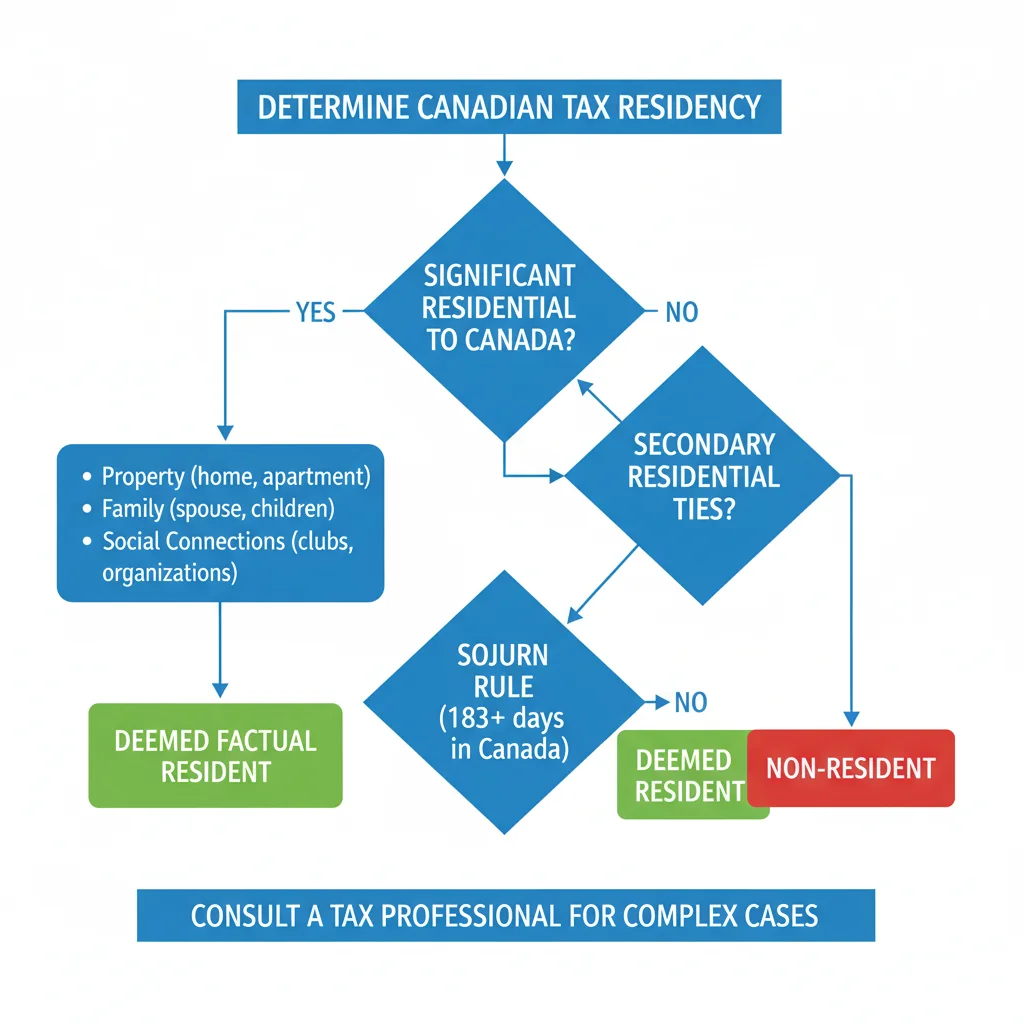
The first and most crucial step for any remote worker considering Canada is to accurately determine their tax residency status. This isn’t always straightforward, as it hinges on more than just physical presence. The Canada Revenue Agency (CRA) uses a combination of “significant residential ties” and “secondary residential ties” to establish whether you are considered a factual resident of Canada for tax purposes. Your tax residency dictates whether you pay Canadian tax on your worldwide income or only on income earned within Canada.
Significant residential ties are primary indicators, and they include owning a home in Canada, having a spouse or common-law partner living in Canada, or having dependents in Canada. If you establish any of these, it’s highly likely you’ll be considered a Canadian tax resident. Secondary residential ties, while less impactful individually, can collectively strengthen the case for residency. These might include having a Canadian driver’s license, Canadian bank accounts, credit cards, or even social ties like memberships in Canadian organizations. The CRA evaluates all these factors on a case-by-case basis, so it’s not always a simple “yes” or “no” answer. Understanding where you stand is paramount before you even begin to think about filing your taxes.
Even if you spend a significant amount of time in Canada, you might still be considered a non-resident for tax purposes if you maintain stronger ties to another country and do not establish significant ties in Canada. Conversely, even a short visit could trigger residency if you quickly establish strong connections. It’s a nuanced area, and misinterpreting your status can lead to significant tax penalties. Always consider your intentions and the practicalities of your living situation when assessing your residency. Seeking professional advice on your specific circumstances is often the best course of action to ensure compliance and avoid any missteps.
2. Understanding Income Reporting for Digital Nomads
Once your tax residency is established, the next critical step is understanding how to report your income to the CRA. For digital nomads, income often comes from various international sources, making this aspect particularly complex. If you are deemed a Canadian tax resident, you are generally required to report your worldwide income – meaning all income earned from any source, anywhere in the world – to the CRA. This includes income from your remote work, freelance contracts, investments, or any other earnings, regardless of where the payer is located or in what currency it was received.
Non-residents, on the other hand, are typically only taxed on income earned from Canadian sources. This might include income from employment in Canada, business carried on in Canada, or certain types of Canadian investment income. The distinction is crucial, as it fundamentally alters your tax obligations. For residents, tracking all your global income and converting it to Canadian dollars for reporting purposes is a significant administrative task. You’ll need to keep meticulous records of all earnings, including invoices, bank statements, and any foreign tax slips, to accurately declare your income and support your claims.
Furthermore, digital nomads often operate as independent contractors or self-employed individuals. This means you’ll likely be responsible for paying both income tax and Canada Pension Plan (CPP) contributions as a self-employed person. You’ll also need to consider Goods and Services Tax/Harmonized Sales Tax (GST/HST) implications if your services are provided to Canadian clients and your revenue exceeds certain thresholds. Proper categorization of your income and expenses is vital for accurate reporting and maximizing eligible deductions. Don’t overlook the importance of maintaining detailed financial records throughout the year to simplify your tax filing process.
3. Navigating International Tax Treaties and Foreign Tax Credits
For digital nomads, the possibility of being taxed in more than one country – known as double taxation – is a significant concern. Fortunately, Canada has an extensive network of international tax treaties with many countries around the world. These treaties are designed precisely to prevent double taxation and clarify which country has the primary right to tax specific types of income. Understanding how these treaties apply to your situation is a cornerstone of managing your Canadian digital nomad tax obligations effectively.
A tax treaty will typically define “residency” for treaty purposes, which might differ from a country’s domestic tax residency rules. If you are considered a resident of both Canada and another treaty country under their respective domestic laws, the treaty will include “tie-breaker rules” to determine which country you are deemed a resident of for treaty purposes. This “tie-breaker” residency often dictates where your worldwide income will be primarily taxed. For example, it might prioritize the country where you have a permanent home, your centre of vital interests, or your habitual abode.
Leveraging Foreign Tax Credits
- Claiming Credits: If you are a Canadian tax resident and have paid income tax to another country on income that is also taxable in Canada, you can often claim a foreign tax credit. This credit reduces your Canadian tax liability by the amount of foreign tax paid, up to a certain limit, preventing you from paying tax twice on the same income.
- Treaty Benefits: Tax treaties also specify reduced withholding tax rates on certain types of income, such as dividends, interest, or royalties, paid from one country to a resident of the other.
- Documentation is Key: To claim foreign tax credits or benefit from treaty provisions, you must keep thorough documentation of all foreign income earned and taxes paid. This includes foreign tax slips, payment confirmations, and any correspondence with foreign tax authorities.
- Consultation Advised: The application of tax treaties can be complex and depends heavily on the specific treaty between Canada and the other country, as well as the nature of your income. Professional advice is highly recommended to ensure you correctly interpret and apply these provisions to your unique circumstances.
Properly applying treaty provisions and foreign tax credits can significantly reduce your overall tax burden. It’s a critical area that many digital nomads overlook, potentially leading to unnecessary tax payments.
4. GST/HST, Provincial Taxes, and Other Canadian Tax Considerations
Beyond federal income tax, digital nomads operating in Canada must also be aware of other layers of taxation, including Goods and Services Tax/Harmonized Sales Tax (GST/HST) and provincial income taxes. Canada has a federal GST of 5%, and some provinces have harmonized it with their provincial sales tax to create HST, which can range from 13% to 15%. If you’re providing services to Canadian clients, and your annual revenue from taxable supplies exceeds $30,000, you are generally required to register for and collect GST/HST. This threshold applies to your worldwide taxable supplies, not just those to Canadian clients, if you are a Canadian resident. This can be a significant administrative burden, requiring you to charge, collect, and remit these taxes to the CRA.
Each Canadian province and territory also levies its own provincial income tax, which is calculated in addition to your federal income tax. The rates vary significantly from one province to another, meaning your overall tax bill can differ considerably depending on which province you establish residency in. For instance, provinces like Alberta generally have lower provincial income tax rates compared to others like Quebec or Nova Scotia. Your province of residence for tax purposes is typically determined by where you have the most significant residential ties on December 31st of the tax year.
Furthermore, there are other potential tax considerations, such as capital gains tax if you sell assets while a Canadian tax resident, or even property taxes if you own real estate in Canada. Depending on your income and specific situation, you might also be subject to various tax credits and deductions that could reduce your overall tax liability. It’s crucial to research the specific tax landscape of the province you intend to reside in. Understanding these additional taxes and how they apply to your digital nomad lifestyle will help you budget effectively and avoid any unexpected financial surprises.

5. Maintaining Records and Seeking Professional Guidance
The complexity of international taxation for digital nomads cannot be overstated, making meticulous record-keeping and professional guidance absolutely indispensable. The Canada Revenue Agency (CRA) places a high value on accurate and verifiable records for all income, expenses, and tax payments. This is not just a suggestion; it’s a legal requirement. Without proper documentation, you could face challenges in proving your income, claiming eligible deductions, or substantiating foreign tax credits, potentially leading to reassessments, interest, and penalties. Your records should be organized, easily accessible, and kept for at least six years, as per CRA guidelines.
For a digital nomad, this means keeping detailed logs of your work – including client contracts, invoices, payment receipts, and bank statements for all income sources, both Canadian and foreign. On the expense side, track everything from business-related software subscriptions to home office costs, travel expenses for business, and professional development. Electronic records are generally acceptable, but ensure they are backed up securely. Converting foreign currency transactions to Canadian dollars at the correct exchange rate for the date of the transaction is also a critical detail that requires careful record-keeping.
Given the intricate nature of Canadian digital nomad tax rules, especially when cross-border income and residency issues are involved, seeking professional guidance from a tax accountant specializing in international tax or cross-border taxation is highly recommended. These professionals can provide tailored advice based on your unique circumstances, help you navigate complex treaty provisions, ensure accurate filing, and identify any potential tax planning opportunities you might otherwise miss. Their expertise can save you significant time, stress, and potential financial pitfalls, allowing you to focus more on your work and enjoy your digital nomad journey in Canada.
Frequently Asked Questions
Q: Do I need a special visa to be a digital nomad in Canada?
A: Canada does not currently have a dedicated “digital nomad visa.” Remote workers typically enter under visitor status or other existing immigration streams. It’s crucial to ensure your activities comply with the terms of your entry, especially regarding earning income within Canada.
Q: What happens if I move to Canada mid-year?
A: If you become a Canadian tax resident partway through the year, you’ll generally be taxed as a resident from the date you establish significant residential ties. You will need to report your worldwide income from that date forward, and potentially file a “part-year” return.
Q: Can I still be a tax resident of another country while living in Canada?
A: Yes, it’s possible to be considered a tax resident by two countries simultaneously (dual residency). In such cases, international tax treaties between Canada and the other country will typically have “tie-breaker rules” to determine which country has the primary taxing rights for treaty purposes.
Q: What expenses can digital nomads deduct in Canada?
A: As a self-employed digital nomad, you can generally deduct reasonable expenses incurred to earn your business income. This might include home office expenses, internet and phone costs, professional fees, software, and travel expenses directly related to your work. Keep all receipts and records.
Q: How does the “significant residential ties” rule really work?
A: The CRA assesses factors like having a home, spouse/common-law partner, or dependents in Canada as primary indicators. Secondary ties like bank accounts, driver’s license, or social connections also contribute. The overall strength and number of these ties determine your factual residency.
Official Resources
- CRA: Determining Your Residency Status
- CRA: GST/HST for Businesses
- CRA: International Tax Treaties
- CRA: Reporting Business Income and Expenses
Conclusion
Embarking on a digital nomad journey to Canada offers incredible opportunities, but it comes with a critical responsibility: understanding and complying with Canadian tax laws. This 5-point checklist – covering tax residency, income reporting, international treaties, provincial taxes, and meticulous record-keeping – provides a robust framework for navigating these complexities. By proactively addressing each of these areas, remote workers can ensure a smoother transition and avoid potential financial pitfalls.
The intricacies of Canadian digital nomad tax rules, especially with cross-border income and varying provincial regulations, underscore the importance of preparation. Don’t let tax concerns overshadow the excitement of your adventure. Instead, empower yourself with knowledge and, when in doubt, seek expert advice. Taking these steps will not only ensure compliance but also allow you to fully embrace the benefits of working remotely from one of the world’s most beautiful and welcoming countries. Your proactive approach to tax planning will be an invaluable asset in your Canadian digital nomad experience.