This article provides crucial information on Residential Schools Payments, outlining the latest updates, application deadlines, and the processes for survivors to access compensation claims. Understand the various programs available and how to navigate the support systems designed for those impacted by residential schools.
By: Michael Sete on August 22, 2026
The tragic legacy of residential schools in Canada continues to impact countless Indigenous individuals and communities. Understanding the available Residential Schools Payments and compensation claims is a vital step for survivors seeking justice and healing. This article aims to provide a clear overview of the latest updates, application processes, and crucial deadlines for these significant claims.
Navigating the various compensation programs can be complex, but staying informed ensures that survivors and their families can access the support they are entitled to. We will explore the different avenues for compensation, explain who is eligible, and highlight where to find reliable assistance throughout the application journey.
Understanding the Indian Residential Schools Settlement Agreement (IRSSA)
The Indian Residential Schools Settlement Agreement (IRSSA) represents a monumental effort to address the harms caused by residential schools. This agreement, implemented in 2007, was designed to provide compensation to eligible former students and support healing and reconciliation initiatives. It recognized the profound and lasting damage inflicted upon Indigenous children who were forced to attend these institutions, often enduring abuse and cultural suppression. The IRSSA established several components to address these harms, including financial compensation and measures aimed at promoting healing.
A key part of the IRSSA was the Common Experience Payment (CEP), which provided a fixed sum to all eligible former students based on the number of years they attended a residential school. This payment was intended to acknowledge the shared experience of being removed from their families and communities. Additionally, the IRSSA included the Independent Assessment Process (IAP), a more personalized, claimant-driven process for survivors who experienced serious physical, sexual, or emotional abuse. The IAP allowed survivors to share their stories and seek compensation for specific harms they endured.
While the main application period for the CEP and IAP has largely concluded, understanding the foundation of the IRSSA is crucial for grasping subsequent compensation initiatives. Many of the principles and definitions established by the IRSSA continue to inform how claims are processed and how the government approaches reconciliation efforts. The agreement also funded the Truth and Reconciliation Commission of Canada (TRC), which played a critical role in documenting the history and impacts of residential schools and providing a platform for survivors to share their truths.
The IRSSA also included provisions for various healing and commemoration activities, recognizing that financial compensation alone cannot fully address the deep wounds caused by the residential school system. These initiatives aimed to support community-led healing projects and ensure that the stories of survivors are remembered and honored. The agreement marked a significant, albeit imperfect, step towards acknowledging a dark chapter in Canadian history and beginning the long road to reconciliation.
Current Compensation Programs and Eligibility Criteria
Beyond the initial IRSSA, other compensation programs have emerged or are still active, addressing specific aspects of the residential school legacy. It is important for survivors and their families to understand which programs they might be eligible for, as criteria can vary significantly. These programs aim to fill gaps and provide additional avenues for justice, recognizing the diverse experiences and enduring impacts of residential schooling. Staying informed about each program’s specific focus and eligibility requirements is key to accessing available support.
One notable ongoing effort relates to claims for day scholars – Indigenous children who attended residential schools during the day but returned home in the evenings. These individuals were historically excluded from the IRSSA, despite experiencing many of the same harms as those who resided at the schools. The Day Scholars Settlement Agreement is a more recent development, aiming to rectify this oversight and provide compensation for the harms they suffered. Eligibility for this program typically involves having attended a recognized residential school as a day scholar.
Key Eligibility Considerations for Day Scholars
Attendance Period: Claims generally cover attendance during specific periods when the schools operated as day schools.
School List: Eligibility is tied to attending one of the approximately 300 federally administered Indian Residential Schools or federally-run Day Schools.
Registration: Survivors need to register with the claims administrator and provide documentation or sworn statements of their attendance.
General Class Payments: These payments acknowledge the harms of attending a residential school as a day scholar, regardless of specific abuse.
Specific Personal Harm Payments: Additional compensation may be available for those who experienced physical or sexual abuse while attending as a day scholar.
It’s crucial to note that each program has its own set of application forms, required documentation, and deadlines. Survivors are strongly encouraged to seek legal advice or support from recognized Indigenous organizations to help navigate these complex processes. The goal of these programs is to provide some measure of recognition and redress for the profound injustices suffered, supporting healing journeys across Canada.
Application Process and Required Documentation for Residential Schools Payments
Applying for Residential Schools Payments can be a detailed and sometimes emotionally challenging process. It requires careful attention to detail and the submission of specific documentation to support a claim. Understanding each step can help alleviate some of the stress involved and ensure that applications are complete and accurate. The process is designed to verify eligibility and the experiences of survivors, ensuring that compensation reaches those who are entitled to it.
Generally, the application process begins with obtaining the correct forms for the specific compensation program being applied to. These forms are usually available through the claims administrator’s website or by contacting support lines. Survivors will need to provide personal identification, such as government-issued IDs, and details about their attendance at a residential school. This might include the name of the school, the dates of attendance, and any other relevant information that can verify their presence at the institution.
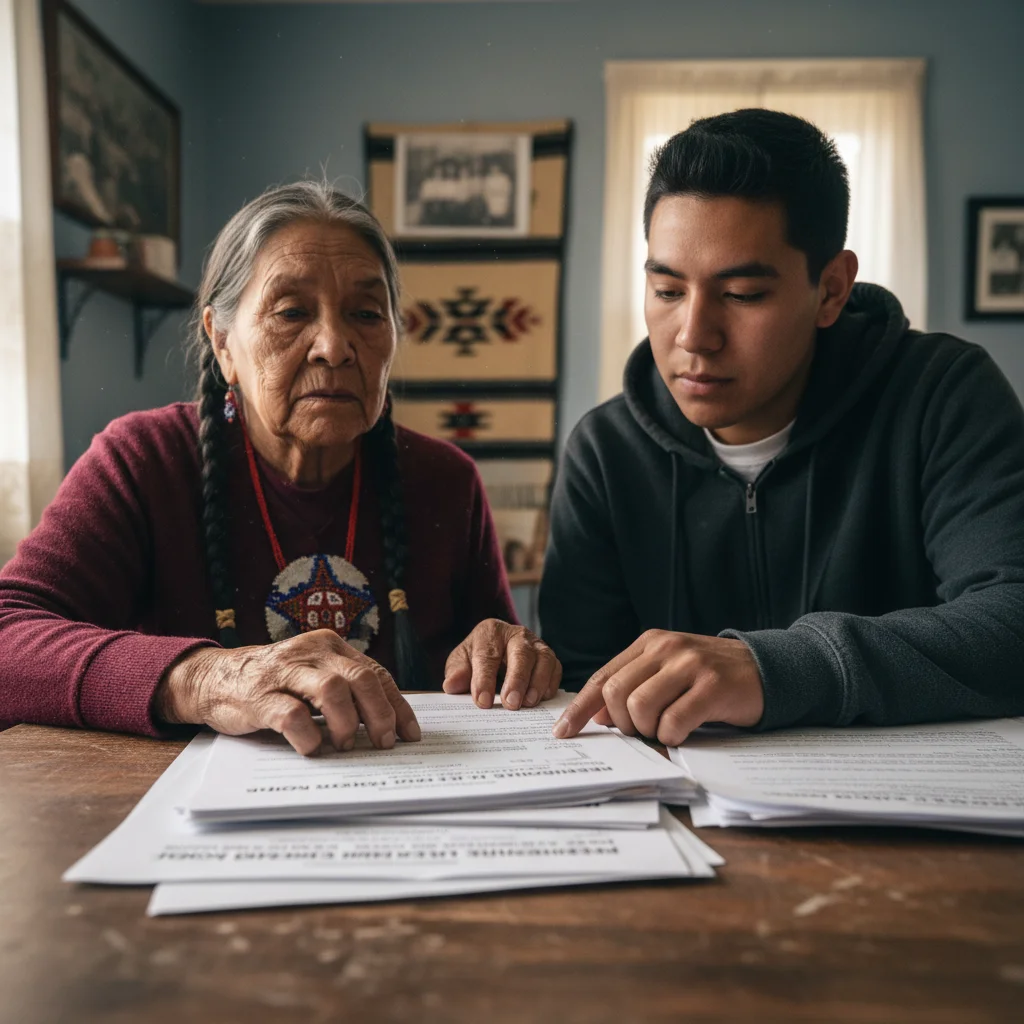
For claims involving specific harms, such as physical or sexual abuse, the documentation requirements become more extensive. Survivors may be asked to provide detailed accounts of their experiences, which can be incredibly difficult to recount. It is often helpful to have support during this stage, whether from a trusted family member, a legal representative, or a trauma-informed support person. While medical records or police reports can strengthen a claim, their absence does not automatically disqualify an applicant; sworn statements and personal testimonies are often accepted.
Gathering all necessary documentation can take time, so it is advisable to start this process as early as possible. This might involve requesting historical records, if available, or contacting community elders who can corroborate attendance or experiences. The claims administrators often provide guides and checklists to help applicants ensure they have everything required. Double-checking all information before submission is crucial to avoid delays or requests for further clarification.
Once submitted, applications undergo a review process. This can involve verifying information, assessing eligibility against program criteria, and, for specific harm claims, evaluating the severity of the harms described. Survivors are typically kept informed of the status of their application, though processing times can vary. Patience and persistence are often necessary throughout this important journey towards recognition and healing.
Key Deadlines and What to Do If You Missed One
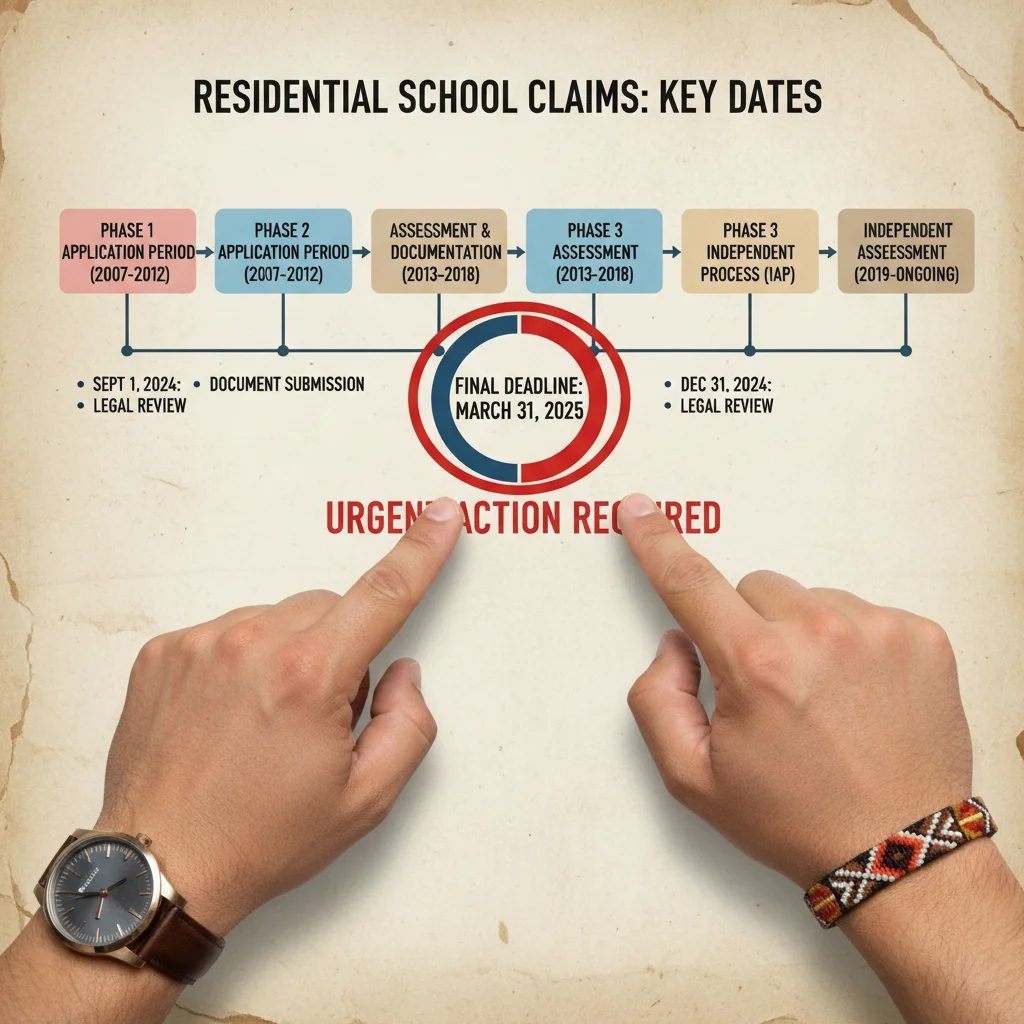
Understanding and adhering to deadlines is critically important when applying for Residential Schools Payments. Each compensation program operates within specific timeframes, and missing a deadline can significantly impact a survivor’s ability to receive compensation. While some major deadlines for programs like the Common Experience Payment (CEP) have passed, new initiatives or extensions occasionally emerge, making it essential to stay informed. Awareness of these time limits helps survivors plan and gather necessary documentation effectively.
For instance, the application period for the Indian Residential Schools Day Scholars Class Action Settlement has specific dates for submitting claims. These dates are publicly announced and widely communicated through various Indigenous organizations and legal channels. It is vital for potential claimants to monitor these announcements closely and to consult the official settlement website for the most accurate and up-to-date information. Missing the final submission date can mean forfeiting the opportunity to receive compensation under that particular agreement.
If you believe you have missed a deadline for a specific program, it is not always the end of the road. The first step is to immediately contact the claims administrator or the legal counsel associated with that specific settlement. In some exceptional circumstances, provisions might exist for late applications, especially if there are compelling reasons for the delay, such as severe illness, lack of awareness, or other extenuating circumstances. However, these exceptions are rare and usually require strong justification.
Even if a specific program’s deadline has firmly passed, there may be other avenues for support or future initiatives. The landscape of Indigenous reconciliation and compensation is constantly evolving. Therefore, connecting with Indigenous advocacy groups, survivor organizations, or legal aid services specializing in Indigenous law can provide valuable guidance. These organizations often have the most current information on new programs, potential extensions, or alternative forms of support that might become available.
It is important not to lose hope if a deadline has been missed. The journey of reconciliation is ongoing, and efforts to address the harms of residential schools continue. While direct financial compensation might be time-sensitive, other forms of support, such as healing programs, cultural initiatives, and community-based resources, may still be accessible regardless of specific claim deadlines. Always seek expert advice when navigating these complex legal and historical processes.
Support Services and Resources for Survivors
The journey of applying for Residential Schools Payments, and indeed the broader process of healing from the residential school experience, can be incredibly challenging. Recognizing this, a wide range of support services and resources are available to assist survivors and their families. These services are designed to provide not just practical help with applications, but also emotional, psychological, and cultural support, acknowledging the deep trauma that many survivors carry. Accessing these resources is a crucial part of the healing process.
One of the most immediate and accessible forms of support is through dedicated helplines. The National Indian Residential School Crisis Line, for example, offers 24/7 emotional and crisis referral services for residential school survivors and their families. These lines are staffed by Indigenous crisis responders who understand the unique cultural and historical context of residential schools. They provide a safe space for individuals to talk, process their feelings, and get connected to further support.
Key Support Resources Available
Legal Assistance: Organizations specializing in Indigenous law or pro bono legal services can offer guidance on eligibility, documentation, and the application process for compensation claims.
Indigenous Organizations: National and regional Indigenous organizations often provide direct support, information sessions, and advocacy for survivors.
Community-Based Healing Programs: Many First Nations, Inuit, and Métis communities offer culturally appropriate healing circles, counseling, and traditional ceremonies designed to support survivors.
Mental Health Services: Trauma-informed counseling and mental health support are available, often with a focus on intergenerational trauma and the specific impacts of residential schools.
Information Hotlines: Dedicated phone lines offer immediate crisis support and referrals to local resources.
Beyond crisis lines, many Indigenous communities and organizations offer culturally relevant healing programs. These can include traditional ceremonies, elder-led counseling, and peer support groups, which provide a sense of community and shared understanding. These programs are vital for addressing the spiritual and cultural harms inflicted by residential schools, fostering resilience and promoting a holistic approach to wellness.
Legal assistance is also paramount, especially given the complexities of compensation claims. Lawyers specializing in residential school settlements can help survivors understand their rights, gather evidence, and navigate the legal intricacies of the application process. Many offer their services free of charge or on a contingency basis, ensuring that financial barriers do not prevent access to justice. Connecting with these support networks is an empowering step towards not only receiving due compensation but also fostering personal and community healing.
Frequently Asked Questions
Who is eligible for Residential Schools Payments?
Eligibility for Residential Schools Payments depends on the specific program. Generally, it includes former students of recognized Indian Residential Schools. More recent agreements, like the Day Scholars Settlement, extend eligibility to those who attended residential schools as day students.
What is the difference between the CEP and IAP?
The Common Experience Payment (CEP) provided compensation for simply attending a residential school, acknowledging the shared experience of cultural loss. The Independent Assessment Process (IAP) was for survivors who experienced serious physical, sexual, or emotional abuse and offered more personalized compensation based on the severity of the harms.
Do I need a lawyer to apply for compensation?
While it is not always mandatory, having a lawyer can be highly beneficial, especially for complex claims or if you experienced specific harms. Legal professionals specializing in residential school settlements can help navigate the application process, gather evidence, and ensure your rights are protected.
What if I don’t have all the required documentation?
If you lack certain documents, such as school attendance records, you may still be able to submit your claim. Sworn statements, testimonies from elders, or other forms of corroborating evidence can sometimes be accepted. It’s best to consult with the claims administrator or legal counsel for guidance on alternative documentation.
Where can I find emotional support during this process?
The National Indian Residential School Crisis Line offers 24/7 emotional support and crisis referral services. Additionally, many Indigenous community organizations, healing centers, and legal aid services provide culturally sensitive support and counseling for survivors and their families.
The journey for Residential Schools Payments and compensation for survivors is a testament to resilience, strength, and the ongoing pursuit of justice. While the past cannot be undone, these compensation programs and the accompanying support services represent a crucial step in Canada’s path toward reconciliation. Understanding the various agreements, eligibility criteria, and critical deadlines is paramount for survivors and their families to access the recognition and financial redress they are owed.
We’ve outlined the historical context of the IRSSA, detailed current and emerging compensation avenues like the Day Scholars Settlement, and emphasized the importance of timely application. Crucially, we’ve highlighted the extensive network of support available, from legal aid to emotional and cultural healing programs. It is vital to remember that no survivor is alone in this process; numerous organizations and individuals are dedicated to providing assistance and guidance every step of the way.
For those impacted by the residential school system, taking the step to apply for compensation or seek support is an act of courage and self-care. We strongly encourage all eligible survivors to thoroughly research the available programs, consult with legal and support professionals, and ensure their voices are heard. The pursuit of these claims is not just about financial compensation; it is about acknowledging truth, fostering healing, and moving forward with dignity and respect. The legacy of residential schools demands continued vigilance and unwavering support for those who suffered.