Climate Action Incentive Payment: Your Quarterly Rebate Guide
The Climate Action Incentive Payment (CAIP) is a crucial rebate for Canadians in certain provinces, designed to offset the federal carbon pollution pricing. This guide will walk you through everything you need to know to ensure you receive your full quarterly payment, covering eligibility, payment schedules, and how to access your benefits.
By: Michael Sete on August 22, 2026
The Canadian government introduced the Climate Action Incentive Payment (CAIP) as a key component of its carbon pollution pricing system. This payment is designed to return the proceeds of the federal carbon tax to individuals and families, helping to offset the costs of pollution pricing. For many Canadians, understanding how this rebate works and ensuring they receive their full quarterly payment can be a bit complex. This comprehensive guide aims to demystify the Climate Action Incentive Payment, providing clear, actionable information to help you navigate the system and claim what you’re owed.
The CAIP is not just a simple handout; it’s a mechanism to make the carbon pricing system fair and affordable, especially for low to middle-income households. It’s paid out quarterly, and the amount you receive depends on several factors, including your province of residence, family size, and whether you live in a rural area. By the end of this article, you’ll have a solid grasp of your eligibility, how to calculate your potential rebate, and the steps you need to take to ensure you get your full Climate Action Incentive Payment without any hitches.
Understanding the Climate Action Incentive Payment Basics
The Climate Action Incentive Payment, often referred to as the federal carbon tax rebate, is a refundable tax credit administered by the Canada Revenue Agency (CRA). Its primary goal is to help individuals and families offset the cost of the federal carbon pollution pricing system. This system applies to provinces that do not have their own carbon pricing mechanism that meets federal standards. Currently, this includes Alberta, Manitoba, New Brunswick, Newfoundland and Labrador, Nova Scotia, Ontario, Prince Edward Island, and Saskatchewan, though specific amounts and rules can vary by province and over time.
The payment is structured to give more back to most households than they pay in carbon pricing, especially those with lower incomes. This design ensures that the economic impact of carbon pricing is progressive, meaning it disproportionately benefits those who are more sensitive to price increases. It’s important to remember that this isn’t a benefit you apply for separately; rather, it’s generally assessed based on your income tax return. Ensuring your tax filings are up-to-date and accurate is the first crucial step in receiving your quarterly payments.
The CAIP includes a base amount for each eligible individual and an additional supplement for residents of small and rural communities. This rural supplement recognizes that individuals in these areas may have fewer public transportation options and face higher costs associated with fuel for heating and transportation. Knowing your eligibility for these components is key to maximizing your rebate. The CRA automatically determines eligibility when you file your income tax return, making the process relatively straightforward once your taxes are filed correctly.
Who is Eligible for the Quarterly Rebate?
Eligibility for the Climate Action Incentive Payment hinges on a few key factors, primarily your residency and family situation. To receive the CAIP, you must be a resident of a province where the federal fuel charge applies on the first day of the payment month. This is a critical detail, as moving between provinces can affect your eligibility or the amount you receive. Furthermore, you must be at least 18 years old. If you are under 18, you may still be eligible if you have a spouse or common-law partner, or if you are a parent living with your child. These criteria ensure that the benefit reaches households directly impacted by the carbon pricing.
Another significant aspect of eligibility is your family unit. The CAIP is paid per family, not per individual, though calculations consider each family member. This means one payment is issued per family, typically to the spouse or common-law partner whose tax return is assessed first. This method simplifies the distribution and ensures families receive their full entitlement together. It’s essential for both spouses or common-law partners to file their tax returns on time, even if one has no income, to ensure the family’s eligibility is fully assessed.
Finally, the rural supplement component of the CAIP requires specific residency. To qualify for the additional 10% rural supplement, you must reside in a small or rural community. The CRA defines a small or rural community as one with a population of less than 30,000 residents, based on the latest census data, and not within 30 minutes driving distance of a population centre of 30,000 or more. This distinction is important for those living outside major urban centers, as it can significantly increase the total Climate Action Incentive Payment received. Always check the most current CRA guidelines for precise definitions and eligibility criteria.
Maximizing Your Climate Action Incentive Payment
Ensuring you receive your full Climate Action Incentive Payment involves more than just basic eligibility; it requires careful attention to your tax filing and personal information. The most crucial step is to file your income tax return every year. Even if you have no income to report, filing a return allows the Canada Revenue Agency (CRA) to assess your eligibility for various benefits, including the CAIP. Without a filed return, the CRA cannot determine how much you are owed, potentially leading to missed payments. This applies to all eligible family members, especially spouses or common-law partners, as their information is used to calculate the household’s total entitlement.
Accuracy in your tax return is paramount. Double-check all personal details, including your address, marital status, and the number of dependents. Any discrepancies can delay or reduce your payments. For instance, if you’ve moved from an urban to a rural area, ensuring your new address is correctly reflected on your tax return is vital for receiving the rural supplement. Similarly, changes in marital status should be updated promptly with the CRA, as this affects how your family unit is assessed for the payment. Taking the time to review these details can prevent future headaches and ensure a smooth payment process.
Key Steps for Maximizing Your Rebate
File Your Taxes Annually: Even with no income, filing ensures the CRA has up-to-date information for benefit calculations.
Update Personal Information: Inform the CRA of any changes to your address, marital status, or number of dependents promptly.
Claim the Rural Supplement: If you live in a qualifying small or rural community, ensure your address accurately reflects this to receive the additional 10%.
Register for Direct Deposit: This ensures your payments are deposited directly into your bank account without delays from mailing.
By proactively managing your tax filings and personal information with the CRA, you significantly increase your chances of receiving your maximum Climate Action Incentive Payment without interruption. These small steps can make a big difference in the total rebate you receive throughout the year.
Payment Dates and How CAIP is Delivered
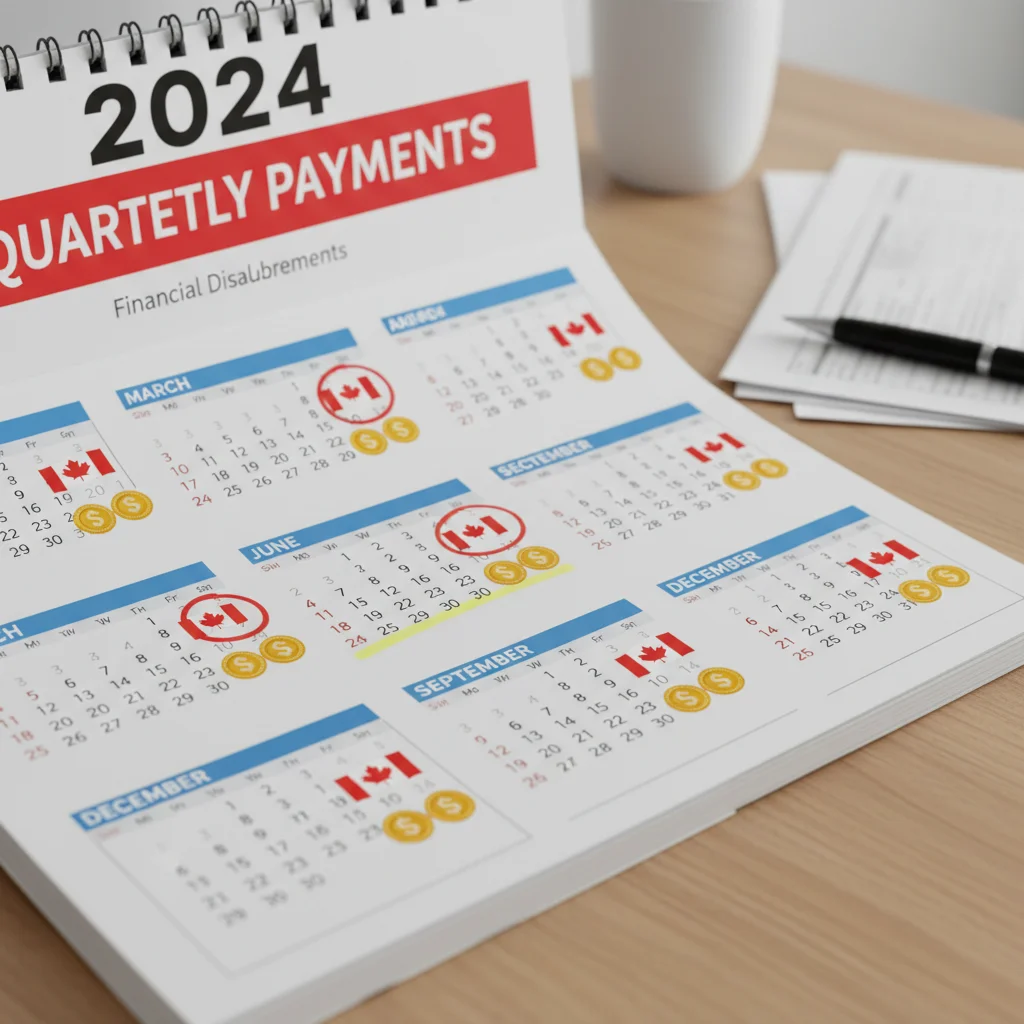
Knowing when to expect your Climate Action Incentive Payment is just as important as understanding your eligibility. The CAIP is generally paid out quarterly, meaning four times a year. These payments are typically issued in the middle of April, July, October, and January. However, it’s crucial to remember that these dates can sometimes shift slightly due to weekends or public holidays, so it’s always a good idea to check the official CRA website for the most current schedule. Consistency in payment dates helps households budget and plan for these funds throughout the year, making the financial impact of carbon pricing more manageable.
The preferred and most efficient method for receiving your Climate Action Incentive Payment is through direct deposit. If you are registered for direct deposit with the Canada Revenue Agency, your payments will be automatically transferred to your bank account on the scheduled payment date. This eliminates delays associated with mailed cheques and ensures you have immediate access to your funds. If you haven’t already, registering for direct deposit is a simple process that can be done through your CRA My Account online, by phone, or by mail. It’s a proactive step that many Canadians take to streamline the receipt of all their government benefits.
For those not registered for direct deposit, payments are issued by cheque and mailed to the address on file with the CRA. This method can lead to delays, especially if there are postal disruptions or if your address information is outdated. If you typically receive cheques and notice a payment is delayed, the first step should be to verify your address with the CRA and consider signing up for direct deposit for future payments. If you haven’t received a payment by the end of the month it was scheduled for, you can contact the CRA directly to inquire about its status. Keeping your information current with the CRA is the best way to avoid any interruptions in your Climate Action Incentive Payment.
Addressing Common Issues and Delays
While the process for receiving the Climate Action Incentive Payment is designed to be straightforward, sometimes issues can arise, leading to delays or even missed payments. One of the most common reasons for a delay is an unfiled or incorrectly filed income tax return. As the CAIP is based on information from your tax return, if you haven’t filed for the previous year, the CRA won’t have the necessary data to assess your eligibility and calculate your payment. It’s imperative to file your taxes annually, even if you have no income, to ensure continuous receipt of your benefits.
Another frequent issue involves outdated personal information. If you’ve moved, changed your marital status, or had a new child, but haven’t updated this information with the CRA, it can impact your payment. For example, moving to a different province where the federal carbon tax doesn’t apply will cease your eligibility. Conversely, moving to a rural area without updating your address might mean you miss out on the rural supplement. Always ensure your address, marital status, and family composition are current with the CRA to avoid any discrepancies that could affect your Climate Action Incentive Payment.
Finally, technical glitches or administrative errors, though less common, can also cause delays. If you’ve filed your taxes on time, updated all your personal information, and are still experiencing a delay in your payment, it’s advisable to contact the Canada Revenue Agency directly. You can do this through your CRA My Account, by phone, or by visiting a tax services office. Having all your relevant tax and personal information handy will help them investigate the issue more quickly. Persistence and clear communication with the CRA are key to resolving any payment issues and ensuring you receive your full Climate Action Incentive Payment.
Frequently Asked Questions
1. What is the Climate Action Incentive Payment (CAIP)?
The CAIP is a refundable tax credit paid to individuals and families in provinces where the federal carbon pollution pricing system applies, designed to offset the cost of the federal carbon tax.
2. How often are CAIP payments issued?
Payments are issued quarterly, typically in the middle of April, July, October, and January.
3. Do I need to apply for the CAIP?
No, you do not need to apply. The Canada Revenue Agency (CRA) automatically determines your eligibility when you file your annual income tax return.
4. What if I haven’t received my CAIP payment?
First, ensure you’ve filed your income tax return and your personal information (address, marital status) is up-to-date with the CRA. If the issue persists, contact the CRA directly.
5. Who qualifies for the rural supplement?
Residents of small and rural communities, generally defined as having a population of less than 30,000 and not within 30 minutes of a larger population centre, are eligible for an additional 10% supplement.
[Government of Canada – Carbon Pollution Pricing](https://www.canada.ca/en/environment-climate-change/services/climate-change/pricing-pollution-how-it-will-work.html)
[CRA My Account – Manage Your Benefits](https://www.canada.ca/en/revenue-agency/services/e-services/cra-login-services/cra-my-account-for-individuals.html)
Conclusion
The Climate Action Incentive Payment is a vital program designed to help Canadian families manage the costs associated with the federal carbon pollution pricing system. By understanding its purpose, eligibility criteria, and payment mechanisms, you can ensure you receive your full quarterly rebate. The key takeaways from this guide emphasize the importance of filing your income tax returns annually, keeping your personal information up-to-date with the Canada Revenue Agency, and understanding the specific components like the rural supplement that can increase your benefit. While the system is largely automated, proactive engagement with your tax obligations and CRA communications is essential for uninterrupted payments. Don’t let potential administrative oversights prevent you from accessing the financial support you’re entitled to. Take the necessary steps today to secure your Climate Action Incentive Payment and contribute to a greener future while benefiting your household budget.