High-Demand Vocational Pathways in Canada: $60K+ Salaries
Discover five high-demand vocational pathways in Canada that offer promising career opportunities with average starting salaries exceeding $60,000 annually. This guide explores the training, job outlook, and earning potential in these lucrative fields, providing an alternative to traditional university degrees.
By: Michael Sete on August 22, 2026
Última atualização em: agosto 24, 2026
Many Canadians are looking for meaningful careers that offer good pay without the need for a four-year university degree. If you’re exploring your options, you’ll be glad to know that several high-demand vocational pathways in Canada can lead to average starting salaries over $60,000 annually. These fields often require specialized training, apprenticeships, or college diplomas, providing practical skills that are highly valued in the job market.
Moving beyond traditional academic routes can open doors to stable and rewarding professions. This article will delve into five such vocational pathways, outlining what they entail, the training involved, and why they are excellent choices for a prosperous future in Canada.
Electrical Trades: Powering Canada’s Future
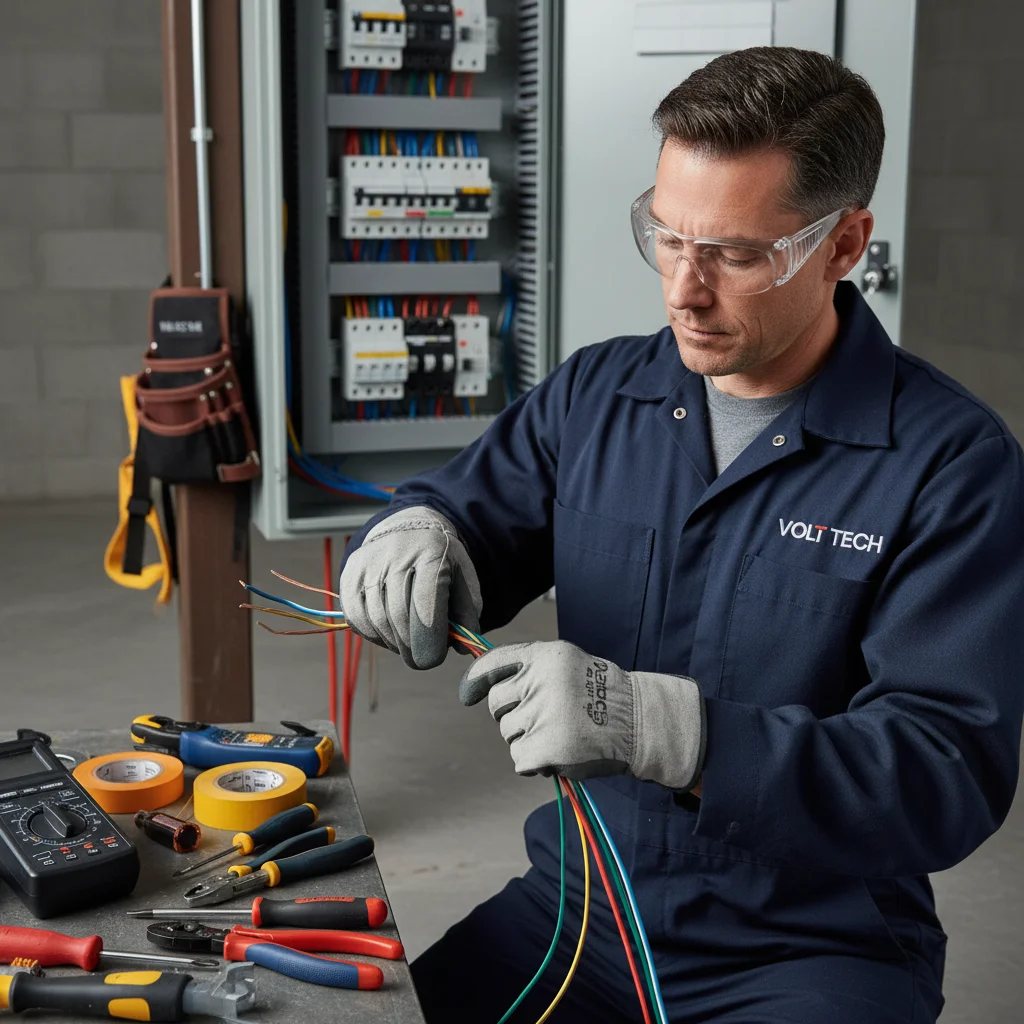
Electricians play a crucial role in Canada’s infrastructure, ensuring that homes, businesses, and industrial facilities have safe and reliable power. This trade involves installing, maintaining, and repairing electrical wiring, fixtures, control devices, and related equipment. The demand for skilled electricians remains consistently high across the country, driven by new construction projects, infrastructure upgrades, and the ongoing need for maintenance in existing structures. It’s a profession that combines technical knowledge with hands-on problem-solving, making it both challenging and highly rewarding for those who enjoy working with complex systems.
Becoming a certified electrician typically involves completing a college program or a registered apprenticeship. These programs provide a comprehensive understanding of electrical theory, safety codes, and practical installation techniques. Apprenticeships are particularly valuable, as they offer on-the-job training under the guidance of experienced journeypersons, allowing aspiring electricians to gain real-world experience while earning a wage. This blend of theoretical learning and practical application ensures graduates are well-prepared for the demands of the job market.
Average starting salaries for electricians in Canada often exceed $60,000, with experienced professionals earning significantly more. The strong union presence in many parts of Canada also contributes to competitive wages and benefits. Furthermore, specialized areas like industrial electrical work, renewable energy systems, or automation can offer even higher earning potential. The career outlook for electricians is very positive, with steady growth projected due to ongoing development and technological advancements in the energy sector. This makes electrical trades one of the most attractive high-demand vocational pathways.
Heavy Equipment Operators: Building the Nation
Heavy equipment operators are essential to Canada’s robust construction, mining, and forestry sectors. These professionals skillfully operate powerful machinery such as excavators, bulldozers, graders, and cranes to move earth, lift materials, and shape landscapes. Their work is fundamental to building roads, bridges, commercial buildings, and residential developments across the vast Canadian terrain. It requires a keen eye for detail, excellent hand-eye coordination, and a strong commitment to safety, as operating these large machines comes with significant responsibilities.
Training for heavy equipment operators typically involves specialized programs offered by vocational schools or private training academies. These courses often include classroom instruction on machine mechanics, safety protocols, and site management, combined with extensive practical training on various types of equipment. Many employers also provide on-the-job training or require candidates to complete an apprenticeship. Certification is often necessary and demonstrates a candidate’s competency and adherence to industry standards, enhancing their employability and earning potential.
The demand for heavy equipment operators remains robust, particularly in regions experiencing significant infrastructure development or resource extraction. Starting salaries for these roles frequently surpass $60,000 annually, with experienced operators commanding higher wages, especially when working on complex or remote projects. The nature of the work often involves project-based employment, which can offer opportunities for overtime and travel. This career path is ideal for individuals who enjoy working outdoors, operating powerful machinery, and contributing directly to large-scale projects that shape the physical landscape of Canada.
Welding and Fabrication: The Backbone of Industry
Welding and fabrication are foundational trades that support almost every industry in Canada, from manufacturing and construction to automotive and aerospace. Welders join metal parts using various techniques, creating everything from structural components for buildings and bridges to intricate parts for machinery and vehicles. Fabricators, on the other hand, cut, shape, and assemble metal to create products. This work demands precision, a steady hand, and a thorough understanding of different metals and welding processes. It’s a highly skilled craft that requires continuous learning and adaptation to new technologies and materials.
Becoming a certified welder or fabricator involves completing a college diploma program or an apprenticeship. These programs provide in-depth instruction on different welding methods (such as MIG, TIG, and stick welding), blueprint reading, metal properties, and safety procedures. Apprenticeships are highly recommended, as they offer invaluable practical experience under the supervision of journeypersons, allowing trainees to refine their skills in a real-world setting. Certification is crucial for demonstrating proficiency and ensuring adherence to industry standards, which is often a requirement for employment in many sectors.
Why Welding is a High-Demand Vocational Pathway
Diverse Industry Applications: Welders are needed in construction, manufacturing, energy, and transportation.
Strong Earning Potential: Average starting salaries often exceed $60,000, with specialized welders earning more.
Skill Development: Continuous learning in new techniques and materials keeps the job engaging.
The demand for skilled welders and fabricators is consistently high across Canada, with many industries facing a shortage of qualified professionals. Starting salaries for these roles are typically above $60,000, and experienced welders with specialized certifications can earn significantly more. The ability to work on complex projects, often in challenging environments, further increases earning potential. This trade offers excellent job security and opportunities for career advancement, making it an attractive option for those seeking a hands-on and impactful profession.
Plumbing and Pipefitting: Essential Services
Plumbers and pipefitters are vital to maintaining public health and comfort in Canada, installing and maintaining systems that carry water, waste, gases, and other fluids. Plumbers typically work on residential, commercial, and institutional projects, focusing on potable water, drainage, and waste disposal systems. Pipefitters, often found in industrial settings, specialize in high-pressure piping systems used in manufacturing plants, power generation facilities, and oil and gas operations. Both roles require a deep understanding of hydraulic principles, building codes, and safety regulations.
The path to becoming a licensed plumber or pipefitter usually involves completing a college program followed by a structured apprenticeship. These programs cover topics such as plumbing codes, blueprint reading, pipe installation techniques, and various types of piping materials. Apprenticeships provide critical on-the-job training, allowing individuals to work alongside experienced professionals and apply their knowledge in practical situations. This hands-on experience is invaluable for developing the skills and judgment needed to excel in these trades. Certification through provincial regulatory bodies is mandatory to practice legally and ensures a high standard of workmanship.
The demand for skilled plumbers and pipefitters remains steady due to ongoing construction, renovation projects, and the constant need for maintenance and repair of existing systems. Average starting salaries for these professionals often begin above $60,000, with experienced and specialized individuals earning considerably more. The stability of this profession is a major draw, as these services are always in demand regardless of economic fluctuations. Furthermore, there are opportunities for self-employment and business ownership, providing additional avenues for financial growth and independence in these high-demand vocational pathways.
Automotive Service Technicians: Keeping Canada Moving
Automotive service technicians are the backbone of Canada’s transportation sector, responsible for diagnosing, maintaining, and repairing vehicles ranging from passenger cars to light trucks. With the increasing complexity of modern vehicles, including electric and hybrid models, the role of a technician has evolved significantly, requiring advanced diagnostic skills and continuous learning. They perform a wide array of tasks, from routine oil changes and tire rotations to complex engine repairs and sophisticated electrical system diagnostics. This profession is ideal for individuals who enjoy problem-solving, working with their hands, and have a passion for automotive technology.
Training to become a certified automotive service technician typically involves completing a college diploma program in automotive technology or a registered apprenticeship. These programs provide a comprehensive education in vehicle systems, including engines, transmissions, brakes, steering, suspension, and electrical components. Practical training is a significant part of the curriculum, allowing students to gain hands-on experience with various diagnostic tools and repair techniques. Apprenticeships further enhance this practical knowledge by providing direct mentorship from experienced technicians in a professional workshop environment, ensuring a smooth transition into the workforce.
The demand for skilled automotive service technicians is consistently high across Canada, driven by the ever-growing number of vehicles on the road and the increasing technological sophistication of modern cars. Starting salaries for certified technicians often exceed $60,000 annually, with experienced specialists and those working in dealerships or specialized repair shops earning considerably more. Opportunities for specialization in areas like hybrid vehicle repair, advanced diagnostics, or heavy-duty mechanics can further boost earning potential. This career path offers excellent job security and the chance to work with cutting-edge technology, making it a dynamic and rewarding choice among high-demand vocational pathways.
Frequently Asked Questions
What kind of training is typically required for these vocational pathways?
Most of these high-demand vocational pathways require a combination of college diploma programs and apprenticeships. Apprenticeships are crucial for gaining practical, on-the-job experience under the guidance of experienced professionals, complementing classroom learning.
Are these vocational jobs stable, or are they prone to economic downturns?
Many vocational jobs, especially in essential services like electrical, plumbing, and automotive repair, tend to be very stable. The demand for these skills persists even during economic fluctuations, as infrastructure needs maintenance and vehicles require service.
Can I earn more than the average starting salary mentioned?
Yes, the average starting salaries are just a baseline. With experience, specialization, additional certifications, and union membership, professionals in these fields can significantly increase their earning potential, often reaching six figures.
Is a university degree ever an asset in these vocational fields?
While not strictly necessary for entry, a university degree in a related field (like engineering or business) can be an asset for those aspiring to management, project leadership, or entrepreneurial roles within these trades.
What are the key personal qualities needed for success in these pathways?
Success in these high-demand vocational pathways often requires strong problem-solving skills, good hand-eye coordination, attention to detail, a commitment to safety, and a willingness to continuously learn and adapt to new technologies.
Exploring high-demand vocational pathways in Canada offers a compelling alternative to the traditional university route, providing excellent opportunities for stable, well-paying careers. As we’ve seen, fields like electrical trades, heavy equipment operation, welding and fabrication, plumbing and pipefitting, and automotive service all boast average starting salaries exceeding $60,000 annually. These professions are not just financially rewarding; they are also crucial to the functioning and development of Canadian society, offering a sense of purpose and contribution.
The investment in specialized training, whether through college diplomas or apprenticeships, equips individuals with practical, sought-after skills that directly address industry needs. For those considering their future, these vocational options present a clear path to a successful and secure career without the significant debt often associated with a four-year degree. Take the time to research these exciting possibilities and consider how your skills and interests might align with Canada’s growing demand for skilled tradespeople.